




Will 5 Ceremony Layout Design Ideas Create A Beautiful Connection?
The wedding ceremony is an important event in the life of a couple as it represents their devotion and love. Therefore, the arrangement of the ceremony area is critical towards the establishment of a friendly ambience which improves the experience of both the couples and their guests. A properly created ceremony layout does not only maximize the visibility of the view but also offers a good flow of the event.
In this blog post, we will examine several concepts of ceremony layout design, talk about some of the different seating options, and offer some practical advice on how to maximize the flow and sightlines to impact the experience in a favorable way.
The Importance of Ceremony Layout Design
A carefully designed ceremony plan is critical because of a number of reasons:
- Improved Guest experience: The well-designed layout will get the guests to comfortably view the ceremony and create a feeling of belonging to the couple and the occasion itself.
- Enhanced Beauty: The sit setup, decor, and accentuate helps in the general visual attraction of the ceremony space.
- Fluent Movement: A design that can move the guests will aid them to move seamlessly in one direction to another direction of the ceremony without creating confusion or disturbance.
Key Considerations for Ceremony Layout Design
When designing the ceremony layout, consider the following key factors:
1. Venue Space
Your layout will be greatly dependent on the nature and the size of the venue. Consider:
- Outdoor vs. Indoor: Fixed seating plans can be used in the indoor venue, whereas in the outdoor, there is a greater flexibility of space. An outdoor design must also consider such natural features as trees and slopes that can influence the visibility.
- Capacity: Make sure that the layout is able to hold the number of people you are expecting to have and provide comfortable seating and movement.
2. Sightlines
Optimizing sightlines is crucial for ensuring that all guests can see the ceremony. Here are some tips for enhancing visibility:
- Elevation: If your venue has tiered seating or risers, take advantage of these features to provide better sightlines for all guests. Guests seated higher up will have a clearer view of the couple and officiant.
- Seating Arrangement: Consider the seating arrangement carefully. Rows of chairs facing the altar or focal point typically provide the best sightlines. Avoid placing any obstacles, such as large floral arrangements or decor, that may obstruct visibility.
3. Flow of Movement
A smooth flow of movement is a requisite of a successful ceremony. Consider these aspects:
- Entry and Exit: It is imperative to clearly identify the entrance and exit points of the guests and they should be easily guided to their seats. Think how the couple and the wedding party will go in and out of the venue.
- Transition Areas: Have areas where the guests can congregate before and after the ceremony. It may involve areas of mingling or having cocktails pending the start of the ceremony.
4. Accessibility
Guest accessibility is a vital consideration in ceremony layout design. Ensure that your layout accommodates guests with mobility challenges:
- Accessible Seating: Designate seating areas that are easily accessible for guests with wheelchairs or other mobility aids. Consider placing these seats near the front or on the ends of rows for easier access.
- Clear Pathways: Ensure that pathways leading to seating areas and the altar are wide enough for easy navigation.
Popular Ceremony Layouts
When it comes to ceremony layouts, there are several popular options to consider. Each layout has its unique advantages and can be tailored to fit the couple’s style and the venue’s characteristics.
1. Traditional Rows
Description: Rows of chairs placed in straight lines facing the altar or focal point.
Best For: Formal ceremonies in indoor venues.
Advantages:
- Provides excellent sightlines for all guests.
- Creates a classic and organized appearance.
Considerations: Ensure that there are no obstacles blocking the view, and consider the height of the altar or focal point to optimize visibility.
2. Circular Seating
Description: Chairs arranged in a circular formation around the couple.
Best For: Intimate ceremonies and outdoor settings.
Advantages:
- Creates a sense of closeness and connection among guests.
- Allows for a unique and visually appealing setup.
Considerations: Ensure that all guests have a clear view of the couple and officiant. This arrangement may work best for smaller guest counts.
3. U-Shaped Seating
Description: Chairs arranged in a U-shape, with the couple at the open end.
Best For: Smaller ceremonies where guests can be closer together.
Advantages:
- Encourages interaction and engagement among guests.
- Provides a cozy and intimate atmosphere.
Considerations: Ensure that the U-shape is wide enough to accommodate the couple and officiant while allowing guests to see easily.
4. V-Shaped Seating
Description: Chairs arranged in a V-shape, with the couple at the tip of the V.
Best For: Unique settings or ceremonies that require a more dynamic layout.
Advantages:
- Provides good sightlines for the majority of guests.
- Creates an interesting visual dynamic.
Considerations: Ensure that the angle of the V is not too sharp, as this could limit visibility for guests seated farther back.
5. Theater Style
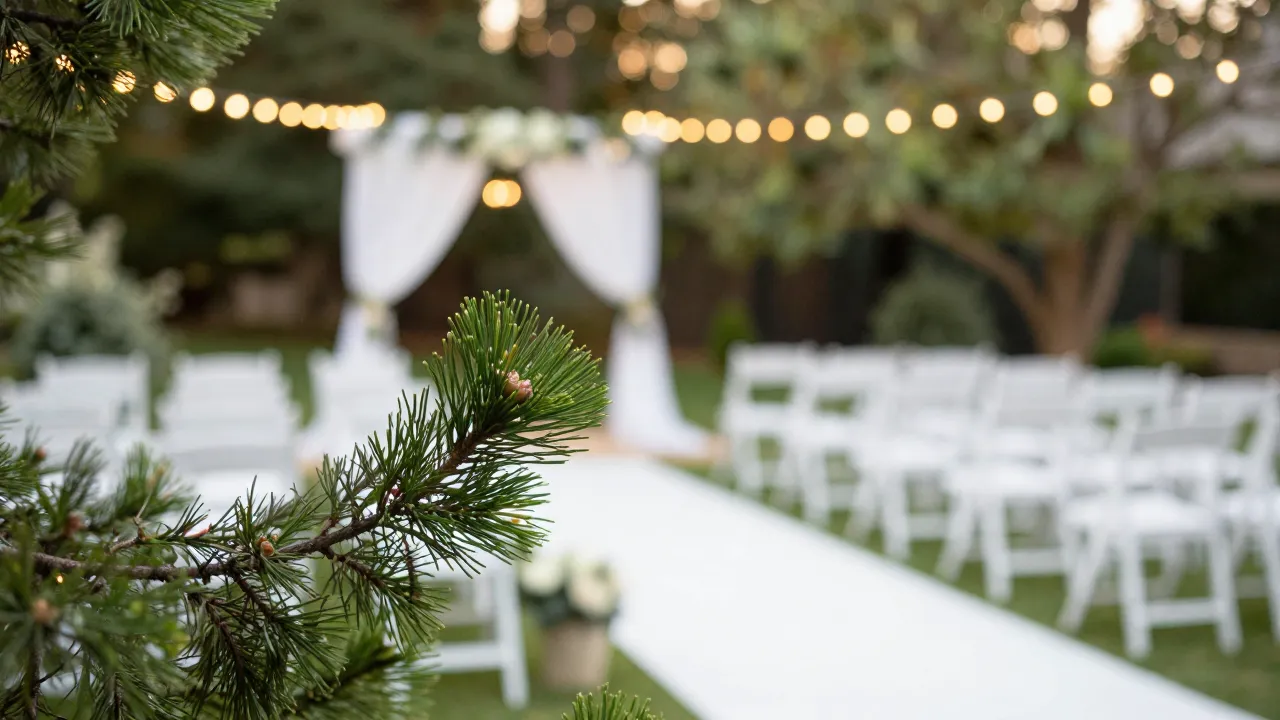
Description: Rows of chairs arranged in a theater-style layout, typically with a center aisle.
Best For: Larger ceremonies or venues with fixed seating.
Advantages:
- Provides ample seating and allows for a clear view of the ceremony.
- Creates a dramatic entrance for the couple.
Considerations: Pay attention to the width of the aisle to ensure smooth movement for the couple and wedding party.
Tips for Optimizing Ceremony Layout
To create a successful ceremony layout, consider the following tips:
1. Create a Floor Plan
Start by sketching a floor plan of your ceremony space. Include key elements such as:
- Seating Arrangement: Mark where chairs will be placed, ensuring sightlines are optimized.
- Altar or Focal Point: Designate where the couple will stand and where any decor or floral arrangements will be positioned.
- Pathways: Clearly mark pathways for the couple, wedding party, and guests to navigate smoothly.
2. Use Design Software
Consider using event design software or online tools to create a digital floor plan. Programs like Allseated or Social Tables can help you visualize your layout and make adjustments as needed.
3. Gather Feedback
Share your layout plans with your wedding planner or venue coordinator. They may offer valuable insights or suggestions based on their experience.
4. Conduct a Walkthrough
If possible, conduct a walkthrough of your ceremony space before the wedding day. This will allow you to visualize the space and make any necessary adjustments to the layout.
5. Be Flexible
While it’s essential to have a plan, be prepared to adapt as needed. Factors such as weather, guest count changes, or last-minute venue adjustments may require you to make on-the-spot decisions.
6. Personalize the Space
Consider adding personal touches to your ceremony layout that reflect your style and story as a couple. This could include:
- Decor Elements: Incorporate meaningful decor elements, such as family heirlooms, personal mementos, or photos that enhance the visual appeal of the ceremony space.
- Signage: Use personalized signage to guide guests and share meaningful messages or quotes that resonate with you as a couple.
7. Plan for Sound and Music
Ensure that your ceremony layout accommodates sound equipment if you plan to have music or a microphone for the officiant. Consider the following:
- Sound System Placement: Position speakers strategically to ensure all guests can hear the ceremony clearly.
- Musical Elements: If you have live musicians, consider their placement within the layout to enhance the overall atmosphere without obstructing views.
Conclusion
The layout of your ceremony is also an essential process that can help you have a memorable and fun time with your guests. You can make your wedding ceremony a meaningful event by putting into consideration the sightlines, flow and accessibility and make a beautiful and functional space.
When you are planning your wedding, always keep in mind that you should think about your guest comfort and their interest in your wedding organization. Considering and being creative, you may create a space that will showcase your own love story and prepare a gorgeous celebration.
You can take this next step into your relationship by embracing the chance to create a wedding ceremony that would not just be beautiful in appearance but also full of love, joy, and connection.