



Can 7 Wedding Color Psychology Facts Deepen Your Guest’s Emotion?
The marriage is a time of love, dedication and happiness, however, the ceremony is also the display of the personality and style that the couple possesses. Understanding wedding color psychology allows you to influence moods and behavior during your celebration. Learning about the ability of certain colors to bring out specific emotions will allow couples to create a truly memorable and deep experience.
This blog will discuss the importance of color in wedding design, discuss the emotional effect of different colors and provide tips on how to select the best color palette to create the effect you want on your big day.
The Emotional Impact of Colors
Colors can influence emotions and design certain moods. The following is a more detailed look of some of these common colors and the emotions they normally portray:
Red: Passion and Energy
Red is one color that represents love, passion and excitement. It has the ability to arouse the sense of warmth and vitality, which makes it a favorite among romantic events. Use of red in your wedding can give it a very vibrant and passionate mood. Think about incorporating red in your flower arrangements, bridal gowns or table settings to create the feeling of warmth and closeness.
Blue: Calmness and Serenity
Blue is said to be a peaceful and serene color. It may produce a calm and tranquil environment, and therefore will make a great option when it comes to weddings that are intended to achieve tranquility and comfort. The light blue colors may also make one feel relaxed whilst the darker blue tones may bring out some classiness and sophistication. Add blue either in your wedding outfit, decoration or even in your cake to form a calming effect.
Yellow: Joy and Optimism
Yellow is a color that is very happy and positive and has the symbolism of joy and hopefulness. It is very warm and positive, which is why one can use it during spring and summer weddings. Using yellow in your wedding will make the day light and bright. Consider sunny flowers, light table clothes, or silly decorations to give an impression of a party and joy.
Green: Growth and Harmony
Green represents nature, growth and renewal. It provides a balance and harmony and thus can be used in any wedding especially those conducted outdoors. Light greens can be used to convey a sense of calmness whereas darker greens can be used to bring out richness and depth. To achieve a feeling of communion with nature, use greenery in a floral display, table decor or wedding decor.
Purple: Luxury and Creativity
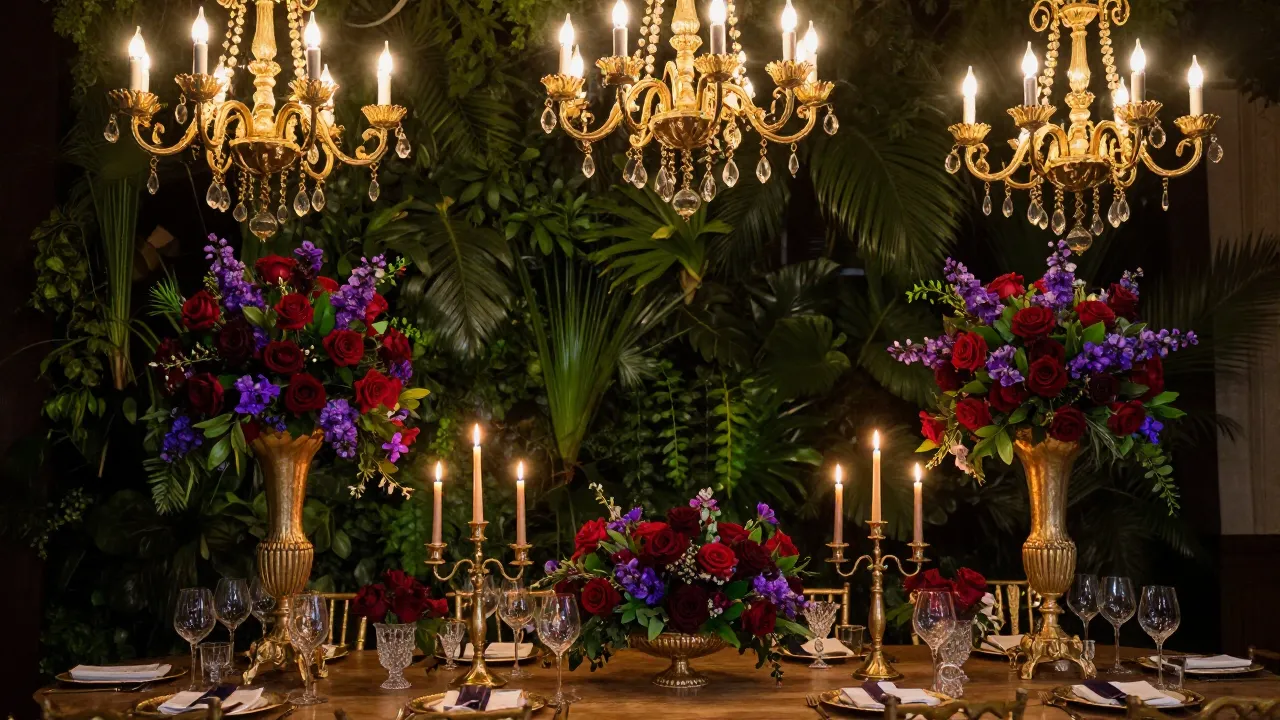
Purple is a common color of royalty, luxury and creativity. It has the ability to bring some elegance and sophistication to your wedding. Light tones of purple colors such as the lavender may bring out romance and calmness whereas the dark shades may bring about a dramatic and luxurious aesthetic. Add some purple in your flower arrangements, table setting or even your wedding cake to be a royal touch.
White: Purity and Simplicity
Historically, white has been associated with purity and innocence, making it a traditional choice for weddings. It symbolizes new beginnings and can create a clean, elegant atmosphere. However, white can also be paired with other colors to add depth and contrast. Consider using white in your bridal gown, table linens, or floral arrangements to create a timeless and sophisticated look.
Black: Elegance and Sophistication
Black is often associated with elegance and sophistication. It can create a formal and dramatic atmosphere, making it a popular choice for evening weddings. Incorporating black into your wedding color palette can add depth and contrast, creating a striking visual impact. Consider using black in your invitations, table settings, or even the bridal party attire for a chic and modern look.
Choosing Your Color Palette
Selecting a color palette is one of the most critical decisions in the wedding planning process. Here are some tips to help you choose the perfect colors for your special day:
1. Reflect Your Personal Style
Your wedding colors should reflect your personal style and preferences. Consider the colors that resonate with you as a couple and those that represent your relationship. Think about your favorite colors, the hues that bring you joy, and the shades that reflect your personality.
2. Consider the Season
The season in which you are getting married can significantly impact your color choices. For example, soft pastels and light colors are popular for spring weddings, while rich jewel tones and warm hues are ideal for fall. Summer weddings often feature bright and vibrant colors, while winter weddings can embrace cool tones and metallics.
3. Create a Cohesive Look
Choose a color palette that works harmoniously together. Select a primary color and then choose one or two complementary colors to create depth and interest. Consider using different shades and tones of the same color to add dimension while maintaining a cohesive look.
4. Use Color for Focus
Colors can be used strategically to draw attention to specific elements of your wedding. For example, if you want to emphasize your floral arrangements, choose a neutral color palette for the rest of your decor. This will allow the flowers to stand out and become the focal point of your wedding.
5. Test Color Combinations
Before finalizing your color palette, test different combinations to see how they look together. Create a mood board with fabric swatches, floral samples, and decor ideas to visualize how the colors will work together on your wedding day. This can help you make adjustments before committing to a final palette.
Seasonal Color Considerations
When choosing your wedding colors, consider how different colors work with the seasons. Here are some seasonal color palettes to inspire you:
Spring
- Pastels: Soft pinks, blues, and yellows evoke the feeling of renewal and growth.
- Greens: Fresh greens symbolize new beginnings and can be paired with other pastel shades.
- Floral Prints: Incorporating floral patterns can enhance the spring theme.
Summer
- Bright Colors: Bold colors like coral, turquoise, and sunny yellow create a fun and festive atmosphere.
- Tropical Vibes: Incorporate vibrant greens and exotic floral patterns for a tropical feel.
- Metallics: Gold and silver accents can add a touch of glamour to summer weddings.
Fall
- Warm Tones: Rich oranges, burgundy, and deep golds reflect the beauty of autumn foliage.
- Earthy Colors: Incorporating browns, greens, and rust can create a cozy and inviting atmosphere.
- Texture: Use textured fabrics like burlap or velvet to enhance the fall theme.
Winter
- Cool Tones: Icy blues, deep purples, and silver can create a stunning winter wonderland.
- Metallic Accents: Gold, silver, and copper can add a touch of elegance to winter weddings.
- Rich Colors: Dark greens, reds, and burgundies can create a warm and inviting atmosphere amidst the cold.
Color in Decor and Attire
Once you have chosen your color palette, it’s time to incorporate it into your wedding decor and attire. Here are some tips for utilizing your chosen colors effectively:
Floral Arrangements
Flowers are one of the most impactful ways to incorporate color into your wedding. Choose blooms that match your color palette and consider mixing different shades for added depth. Don’t forget about greenery, which can complement your floral arrangements and tie the overall look together.
Table Settings
Your table settings are another opportunity to showcase your colors. Use colored table linens, napkins, and centerpieces to create a cohesive look. Consider using colored glassware or dishes to add an unexpected pop of color.
Wedding Attire
Your wedding attire should reflect your chosen color palette. While the bride typically wears white or ivory, incorporating color through accessories such as shoes, veils, or jewelry can add a unique touch. For the bridal party, consider coordinating their outfits with your color scheme to create a harmonious look.
Invitations and Stationery
Your wedding invitations are the first glimpse your guests will have of your wedding aesthetic. Use your color palette in your invitations, save-the-date cards, and other stationery to set the tone for the celebration.
Cake and Desserts
Don’t forget about the cake! Incorporate your colors into the wedding cake design through icing, flowers, or decorative elements. You can also use colored desserts or candies at the dessert table to tie everything together.
Conclusion
Color is an effective means of wedding design that can affect emotions and make a memorable experience. Knowing the color psychology and carefully choosing a color scheme, you are capable of creating a wedding atmosphere that would demonstrate your personal style and help to make a better celebration of your wedding day.
You must not forget that you are a couple, as you make your journey in this rainbow of colour. Add your personality to your colour preference and make the most out of the process of making a celebration that is uniquely yours. Your wedding colors will be a great step towards a beautiful and memorable wedding with consideration and innovativeness.