




Spatial Wedding Planning: Designing Layouts That Enhance Guest Experience
Wedding organization is associated with numerous details, including the selection of the ideal venue and the choice of a suitable flower. Among the key points, which are frequently disregarded, one should consider spatial planning, which is the organization of space that can also make an essential contribution to the overall experience of a guest. The layout that is carefully planned does not only guarantee the seamless flow of the event but it also provides the atmosphere welcoming to the interaction and fun.
This guide will help to learn the principles of spatial wedding planning, different layout variants, and some tips that can be used in order to make the experience of your guests an unforgettable one.
The Importance of Spatial Planning
Spatial planning involves structuring the physical spaces in the most efficient way in terms of functionality, flow, and aesthetics. Spatial design can do well in terms of a wedding planning:
Enhance Guest Experience: The well-planned design can help guests to feel relaxed, involved and connected throughout the event.
Promote Movement: The spacious and properly distributed space encourages free movement of people across various spaces, eliminating congestion and confusion.
Make Experiences to be Memorable: The manner in which spaces are organized can trigger how the guests would engage with one another and the surrounding, leaving a lasting experience.
Key Considerations for Spatial Planning
When designing your wedding layout, consider the following key factors:
1. Venue Type and Size
The type and size of your venue will greatly influence your layout. Consider the following:
Indoor vs. Outdoor: Indoor venues may have structural limitations, while outdoor settings provide flexibility but may require additional considerations such as weather and terrain.
Capacity: Ensure that your layout accommodates the expected number of guests comfortably without overcrowding.
2. Flow of the Event
The flow of your wedding should be intuitive, guiding guests seamlessly from one activity to the next. Consider the following:
Ceremony to Reception: Plan the transition from the ceremony to the reception. If they occur in different areas, ensure there is clear signage or a designated path to guide guests.
Seating Arrangements: Think about how guests will move between tables, the dance floor, and other areas. Avoid placing obstacles in high-traffic zones.
3. Zones and Areas
Creating designated zones within your venue can enhance the overall experience. Consider the following areas:
Ceremony Space: Create a visually appealing ceremony space that reflects your wedding theme. Consider seating arrangements, decor, and focal points.
Dining Area: Ensure that tables are arranged to facilitate conversation while considering sightlines for all guests.
Dance Floor: The dance floor should be easily accessible and visible from various areas of the venue, encouraging guests to join in the fun.
Lounge Areas: Consider creating lounge areas with comfortable seating for guests to relax and socialize, enhancing the overall atmosphere.
4. Guest Comfort
Prioritize guest comfort by considering the following elements:
Seating Comfort: Choose comfortable seating options for both the ceremony and reception.
Temperature Control: If your wedding is outdoors, consider providing shaded areas or fans to keep guests comfortable. For indoor events, ensure the venue has adequate heating or cooling.
Accessibility: Ensure that your layout accommodates guests with mobility challenges, providing accessible pathways and seating.
Layout Options for Your Wedding
Now that you understand the key considerations for spatial planning, let’s explore different layout options for your wedding:
1. Ceremony Layouts
The layout of your ceremony space sets the tone for the entire event. Consider these popular options:
a. Traditional Seating
Description: Rows of chairs facing the altar or focal point.
Best For: Formal ceremonies and larger guest counts.
Considerations: Ensure visibility for all guests, possibly using tiered seating or risers for larger groups.
b. Circular Seating
Description: Chairs arranged in a circular formation around the couple.
Best For: Intimate ceremonies and outdoor settings.
Considerations: This layout creates a sense of closeness and engagement among guests.
c. U-Shaped Seating
Description: Chairs arranged in a U-shape, with the couple at the open end.
Best For: Smaller ceremonies and settings where guests can be closer together.
Considerations: This arrangement encourages interaction and connection among guests.
2. Reception Layouts
The reception layout is crucial for facilitating dining, dancing, and socializing. Here are some popular options:
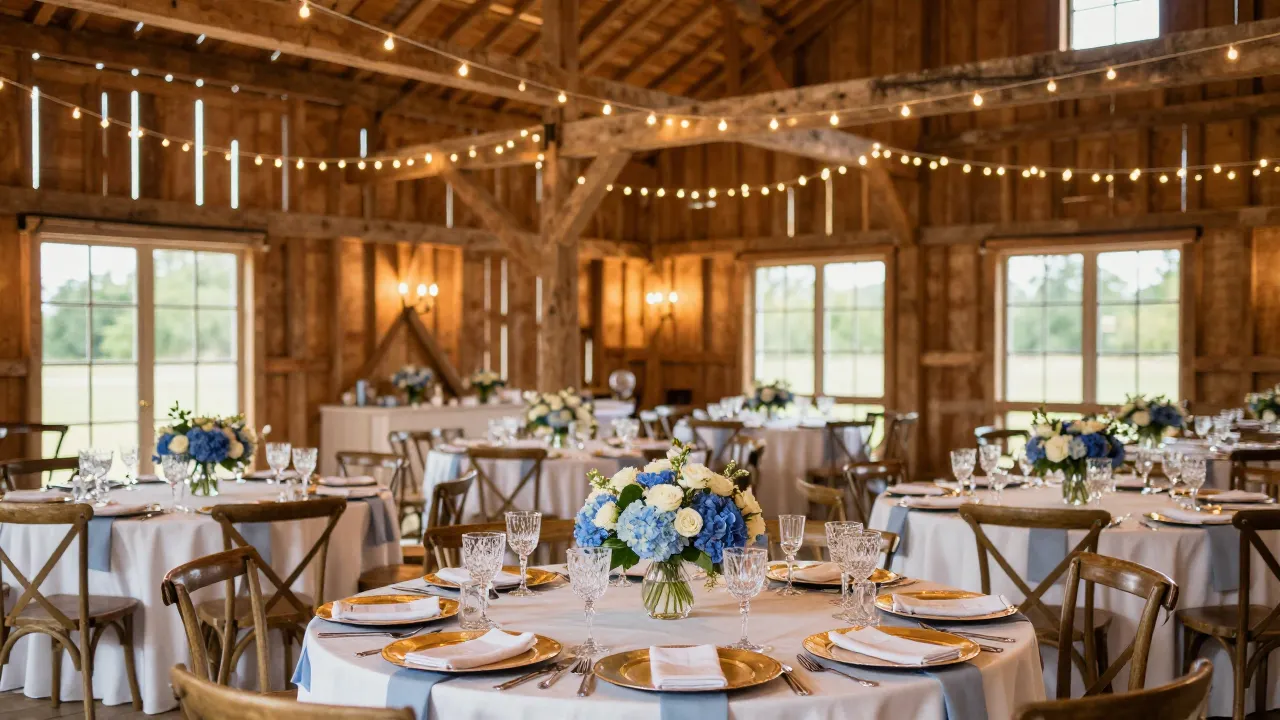
a. Banquet Style
Description: Long tables arranged in rows or a single long table.
Best For: Formal receptions and large guest counts.
Considerations: This layout encourages conversation but may require careful planning to ensure everyone can be seen and heard.
b. Round Tables
Description: Tables arranged in a circular formation, typically seating 8-10 guests each.
Best For: Casual receptions and smaller guest counts.
Considerations: Round tables promote inclusivity and conversation, making it easier for guests to interact.
c. Cocktail Style
Description: High-top tables with limited seating, encouraging guests to mingle.
Best For: Informal receptions or cocktail hours.
Considerations: This layout is ideal for creating a relaxed atmosphere but may require additional seating for dining.
3. Dance Floor Placement
The placement of the dance floor is crucial for encouraging guests to participate. Consider these tips:
Visibility: Place the dance floor in a central location where it is easily visible from dining areas.
Accessibility: Ensure that the dance floor is easily accessible from all areas of the reception space.
Size: Consider the expected number of guests dancing to ensure the floor is large enough to accommodate them comfortably.
Creating a Functional Layout
To create a functional layout, follow these steps:
1. Create a Floor Plan
Start by sketching a floor plan of your venue, including the following elements:
Entrance: Mark the main entrance to your venue and how guests will enter.
Ceremony Space: Designate where the ceremony will take place and how guests will be seated.
Reception Area: Plan the layout for dining tables, the dance floor, and any additional zones you wish to include.
2. Use Design Software
Consider using event design software or online tools to create a digital floor plan. Programs like Allseated, Social Tables, or even simple design software can help you visualize your layout.
3. Gather Feedback
Share your layout plans with your wedding planner, venue coordinator, or trusted friends and family. They may offer valuable insights or suggestions based on their experiences.
4. Consider Flow
As you finalize your layout, consider how guests will move through the space. Use arrows or pathways to indicate the flow of movement and ensure that key areas are easily accessible.
Enhancing Guest Experience
Beyond the physical layout, consider additional elements that can enhance the guest experience:
1. Signage
Clear signage is essential for guiding guests throughout the venue. Consider the following:
Directional Signs: Use signs to guide guests to different areas, such as the ceremony, reception, and restrooms.
Menu Signs: Display menus at dining tables or food stations to inform guests about their options.
Personalized Signs: Incorporate personalized signage that reflects your wedding theme or includes quotes meaningful to you as a couple.
2. Lighting
Lighting can dramatically impact the atmosphere of your wedding. Consider the following:
Ambient Lighting: Use soft, ambient lighting to create a warm and inviting atmosphere. Consider string lights, lanterns, or candles.
Spotlighting: Highlight key areas, such as the cake table or dance floor, with focused lighting to draw attention to those elements.
Colorful Lighting: Consider using colored lights to match your wedding theme and create a festive ambiance.
3. Interactive Elements
Incorporate interactive elements that encourage guest engagement. Consider the following:
Photo Booths: Set up a photo booth with props and backdrops for guests to capture fun memories.
Guestbook Alternatives: Consider alternatives to traditional guestbooks, such as a fingerprint tree or video messages.
Games: Incorporate lawn games, trivia, or other activities that encourage guests to mingle and have fun.
Finalizing Your Spatial Plan
As you finalize your spatial plan, keep the following tips in mind:
1. Review with Vendors
Share your layout with your wedding planner, venue coordinator, and vendors to ensure everyone is on the same page. They may have additional insights or requirements that you need to consider.
2. Conduct a Walkthrough
If possible, conduct a walkthrough of your venue before the wedding day. This will allow you to visualize the space and make any necessary adjustments to the layout.
3. Be Flexible
While it’s essential to have a plan, be prepared to adapt as needed. Factors such as weather, guest count changes, or last-minute venue adjustments may require you to make on-the-spot decisions.
Conclusion
Spatial wedding planning is an important part of making your guests have an enjoyable and memorable wedding. Through careful planning of the layout of your wedding and reception areas, it is possible to increase the comfort of your guests, ease their movement and create meaningful experiences.
When you are starting the process of planning your wedding, make sure that you take into consideration such essential details as the type of the venue, the way the event will be organized, and the comfort of the guests. Considering this, and with a bit of creativity, you are able not only to create a spatial layout that will be representative of your style but also leave you and your visitors with year-long memories.
It is time to welcome the chance to create a warm and interesting atmosphere, and make sure that the wedding day is the day of celebration of love, happiness, and unity.