




Mastering Open Air Layouts: Design Secrets for Outdoor Weddings
Open skies, fresh air, and a blank canvas of lawn outdoor weddings promise magic. Yet behind every stunning photo lies a blueprint. A smart layout guides feet, plates, and music cables while keeping nature front-and-center. This deep dive unpacks open air layouts that turn empty acreage into a seamless party. We’ll study garden ceremony seating, explore tent floor plans, and troubleshoot wind, rain, or wandering toddlers. Grab a sketch pad and let’s design a day that feels effortless.
Reading the Landscape Before You Sketch
Every site has its quirks. Walk the ground first and the plan will write itself.
Terrain and Grading Checks: Scan for slopes. A gentle rise frames a ceremony; a steep hill demands terracing or rented flooring. Note any low points that pool after rain. Kitchens and dance floors belong on high, dry ground. Bring a ball; if it rolls, expect glasses to do the same.
Sun Path, Shade, and Breeze Mapping: Stand on the ceremony spot at the exact hour vows will begin. Where is the sun? Guests hate squinting, photographers hate harsh shadows. Shift chairs until light washes faces evenly. Next, watch the breeze. Trees can block airflow on a humid day or funnel gusts right through the aisle. Mark natural windbreaks for dinner tables and bar setups.
Garden Ceremony Seating That Feels Intimate and Wows on Camera
A lawn can swallow emotion if chairs spread too wide. Shape is power here.
1. Ceremony in the Round
Circle the couple. Guests look inward, creating instant intimacy. Photographers love the 360-degree access, and no seat feels “back row.”
2. Curved Rows Framing Garden Aisles
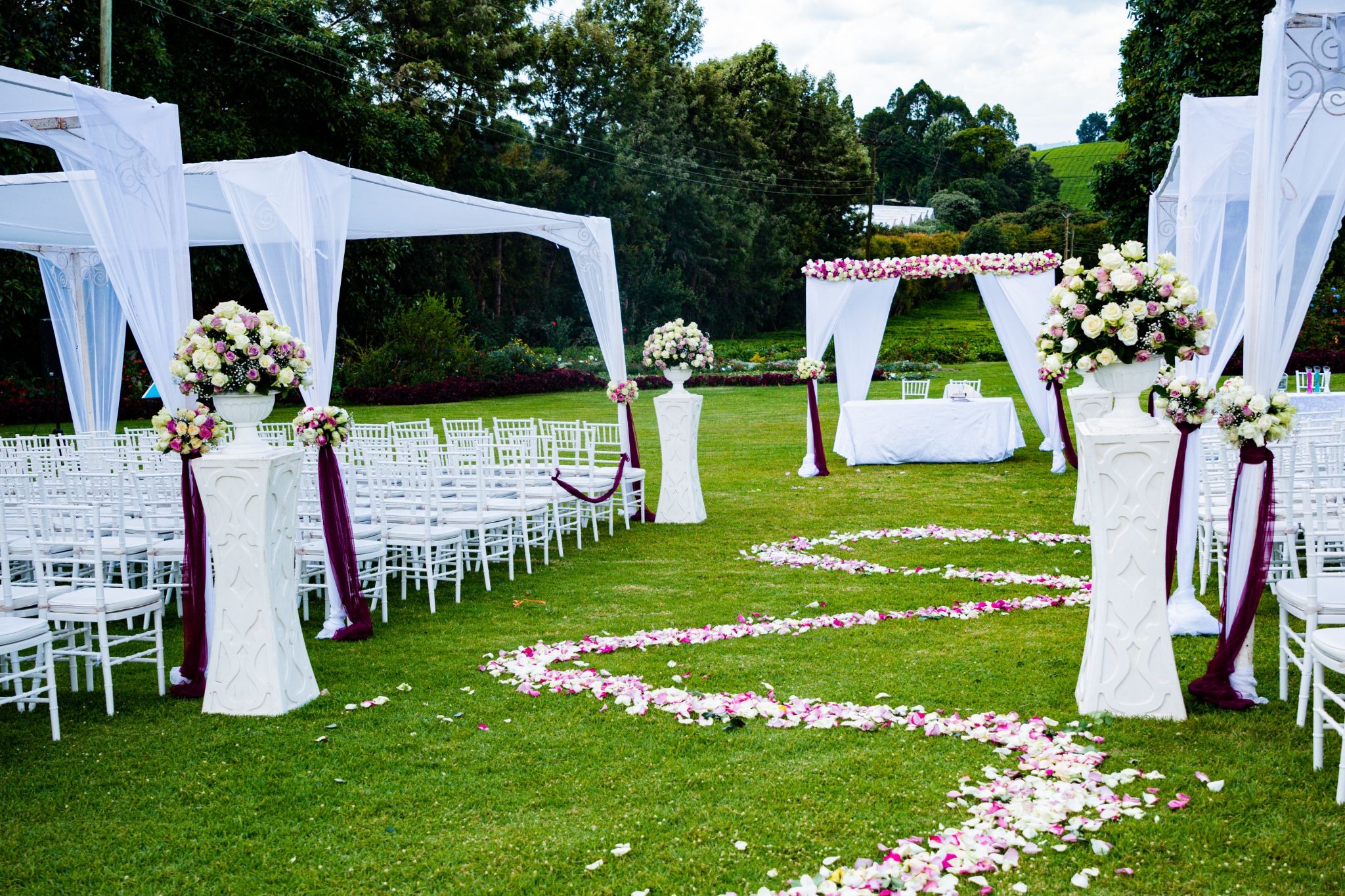
Soft arcs mimic petal-lined beds and guide eyes to the altar. They also fit more chairs than straight lines without stretching the first row far from the couple.
3. Mix-and-Match Seating for Décor Texture
Try benches up front and café chairs behind. The mix adds visual warmth and lets you squeeze extra seats for late RSVPs. Keep seat heights similar so sight lines stay clear.
Crafting Tent Floor Plans That Flow Like Indoor Ballrooms
When walls disappear, flow matters even more. A tent does not guarantee order; design does.
Zoned Reception Spaces
Divide the footprint into clear zones. Entry greets, dining gathers, bar buzzes, lounge breathes, and dance floor pulses. Guests instinctively drift to the right upon entering, so place escort cards there and create an easy loop toward tables.
Dance Floor Placement and Acoustics
Center dance floors pull energy but can split diners into islands. An offset floor, tucked near the DJ, frees servers to circulate. Test speaker stacks; cloth walls muffle bass while open sides leak sound. Angle speakers inward to respect neighbors.
Buffet vs. Plated Service Staging
Buffet lines need room to snake without blocking servers. Place buffets parallel to kitchen prep so dishes travel straight, not across guest traffic. For plated meals, carve narrow service alleys behind tables. Mark them with runner rugs so staff stay quiet and quick.
Open Air Reception Alternatives When You Skip a Full Tent
Sometimes a full canopy feels heavy. Sailcloth peaks, stretch fabric, or a pergola cluster can protect without enclosing.
Sailcloth feels nautical and airy. Stretch setups flex around trees or pools, ideal for tricky backyards. Pergolas create mini “rooms” for lounge pods, helping shy guests retreat while still enjoying the view. Match coverage to forecast; partial shade may suffice for spring, while summer sun demands broader cloth and discreet fans.
Transition Spaces: Cocktail Hours and Lounge Pods
Crowd flow can stall between ceremony and dinner. Stage a cocktail lawn near the bar and a satellite lounge across the path. Highboys encourage mingling; low couches invite older relatives to rest. Sprinkle lawn games at the edge so noise stays away from seated conversation.
Pathways, Signage, and Guest Flow
Grass is charming but deadly for stilettos and wheelchairs. Temporary pathways think woven matting or reclaimed boards save shoes and nerves. Signs do more than label bars; they steer traffic away from catering corridors. Use arrow stakes with playful copy or hand-lettered mirrors that reflect blooms.
ADA Accessibility in Open Air Layouts
Inclusion shapes joy. Rollout ramps under tent lips, reserve firm ground for a few front-row ceremony seats, and print seating charts large enough to read from a chair height. Smooth transitions mean every guest experiences the same wonder.
Power, Lighting, and Climate Control Integration
Generators hum; hide them behind shrubs or faux hedge walls. Run cables along fence lines and tape crossovers to keep dance heels safe. Lighting layers matter once twilight hits: café strings overhead, uplights at tree trunks, pin spots on the cake. Climate control is subtle hero work. Quiet fans push warm air out; slim heaters warm autumn chill without roasting centerpieces.
Aesthetics: Blending Décor With Nature, Not Fighting It
The landscape is your largest décor piece and it’s free. Hang chandeliers from sturdy branches. Let an ancient oak serve as an altar backdrop. Mirror the garden palette rather than importing neon roses. If native blooms are blue and white, echo them in linens. The result feels cohesive, not forced.
Weather Plan B: Rapid Reconfigurations
Rain, lightning, even wildfire smoke can strike. Build backup into the original map.
Clip-in tent walls roll down in minutes.
Ceremony chairs stack quickly and move under cover when ganged in eights.
Assign roles: one groomsman drops walls, two friends ferry programs, a planner radios the kitchen. Rehearse once on rehearsal night; muscle memory beats panic.
Sustainability and Local Flora Choices
Eco-smart couples choose rentals over disposables and source flowers locally. Potted herbs mark escort cards and double as favors. Solar lanterns charge during setup and glow all night. When the dance ends, donate centerpieces to a nearby senior home and send food scraps to compost.
Real Wedding Case Studies: Three Inspiring Open Air Layouts
Riverside Retreat, 120 guests: A slim peninsula demanded curved garden ceremony seating to fit all eyes on the water. Dinner under a clear-top tent showcased stars. Power lines snaked beneath dock planks, hiding cables.
Orchard Soiree, 85 guests: A couple skipped a tent. Apple trees formed natural aisles. Table rows ran between trunks, with twinkle lights strung branch to branch. A backup barn sat 90 steps away for sudden rain.
Desert Modern Bash, 200 guests: Stretch fabric rigged between steel poles echoed sand dunes. Lounges nestled into cactus gardens. A silent generator powered both cooling misters and the DJ, delivering comfort without noise.
Budgeting for Outdoor Layout Logistics
Open air looks cheap until rentals pile up. Factor in flooring, lighting, restrooms, power, and contingency tents. One rule saves headaches: spend 10 percent of your décor budget on weather prep. That reserve covers last-minute sidewalls or blanket baskets.
Suggestions
Start layout drafts six months out. That window secures popular rental items before peak season.
Host a sunset walk-through with photographer, caterer, and planner. Each pro will spot different needs, from golden-hour angles to hidden breaker boxes.
Final Thoughts
Open air layouts require more than a Pinterest board. They demand keen eyes on sun arcs, wind whispers, and guest comfort. Yet the payoff is huge: a wedding that feels organic, spacious, and uniquely yours. Use the land as a muse, guide guests with gentle cues, and prepare for anything the sky may drop. When the first dance begins under stars or canvas, all that planning fades behind pure, weightless joy.
FAQs
1. How can I keep garden ceremony seating comfortable in mid-summer heat?
Offer bamboo fans, set chairs under partial shade, and schedule vows before the sun peaks. Hydration stations at row ends keep guests cool and cheerful.
2. What size generator supports full tent floor plans with lights and catering?
A 25-kilowatt unit typically covers a 150-guest reception with LED lighting, DJ gear, and warming ovens. Confirm exact amperage with each vendor before signing.
3. Can open air layouts work on a tight urban lot?
Yes. Use vertical space with hanging décor, choose narrow banquet tables, and install clear tent walls to borrow skyline views. Smart zoning creates flow even in small footprints.