




Heritage Venue Lighting: Techniques to Highlight Historic Architecture
Historic venues have a character that modern spaces cannot replicate. Weathered stone, ornate woodwork, and handcrafted details bring depth and emotion into a wedding setting. Lighting determines how those features are experienced. It can either elevate the space or distract from it.
Heritage venue lighting is not about making a statement with brightness. It is about restraint. The goal is to guide the eye gently and reveal beauty without altering the structure. When done correctly, lighting feels invisible. Guests remember the atmosphere, not the equipment.
As couples increasingly choose castles, estates, and historic halls for their weddings, lighting becomes one of the most important design elements. It shapes mood, movement, and memory. With the right approach, uplighting tips and layered illumination help create a refined vintage wedding ambiance that feels authentic and timeless.
This guide explores how to light historic venues with care. You will learn how to work with architectural features, navigate venue restrictions, and design lighting that respects the past while supporting modern celebrations.
Understanding the Importance of Heritage Venue Lighting
Heritage venue lighting defines how historic architecture is perceived. These spaces rely on texture, scale, and craftsmanship rather than minimalism. Lighting reveals these qualities slowly and intentionally. Unlike modern venues, historic buildings already carry visual weight. Lighting does not need to add drama. It needs to support what already exists. Soft illumination enhances depth and allows architectural features to breathe.
Lighting also influences emotion. Warm tones create intimacy. Balanced shadows add dimension. Together, they help guests feel comfortable while maintaining elegance throughout the event.
Respecting Architectural Integrity
Historic buildings were not designed for heavy installations. Original materials such as stone, brick, and carved wood require care. Lighting should never compete with these elements. Fixtures must remain temporary and non-invasive. Light placement should follow architectural lines rather than interrupt them. When integrity is respected, the venue remains the focal point.
Lighting as a Storytelling Tool
Every historic venue tells a story. Lighting helps narrate it visually. It draws attention to craftsmanship and age without overwhelming the senses. Thoughtful lighting allows certain areas to stand out while others remain subtle. This balance keeps the space engaging and harmonious.
Key Challenges When Lighting Historic Venues
Lighting historic spaces comes with limitations. Electrical access may be minimal. Permanent fixtures are often restricted. Preservation rules must be followed carefully.
These challenges require planning rather than compromise. Creativity plays a larger role than equipment quantity.
1. Navigating Venue Restrictions
Most heritage venues have strict guidelines. Drilling, taping, or attaching fixtures directly to walls is often prohibited. Even cable placement may be regulated. Early collaboration with venue managers is essential. Understanding limitations upfront prevents last-minute changes that weaken the design.
2. Adapting Modern Lighting Technology
Modern lighting technology supports preservation-friendly solutions. Wireless LED fixtures reduce the need for cables. Battery-powered lights limit electrical demand. These options provide flexibility while protecting the venue’s structure and surfaces.
Uplighting Tips for Highlighting Historic Architecture
Uplighting remains one of the most effective techniques for heritage venue lighting. It enhances vertical elements and reveals texture without intrusion. Placement matters more than volume. Each light should have a clear purpose.
Choosing the Right Uplighting Angles: Correct angles bring architectural rhythm to life. Lights placed too close create harsh shadows. When positioned properly, they soften transitions and highlight depth. Columns, arches, alcoves, and textured walls respond especially well to gentle uplighting.
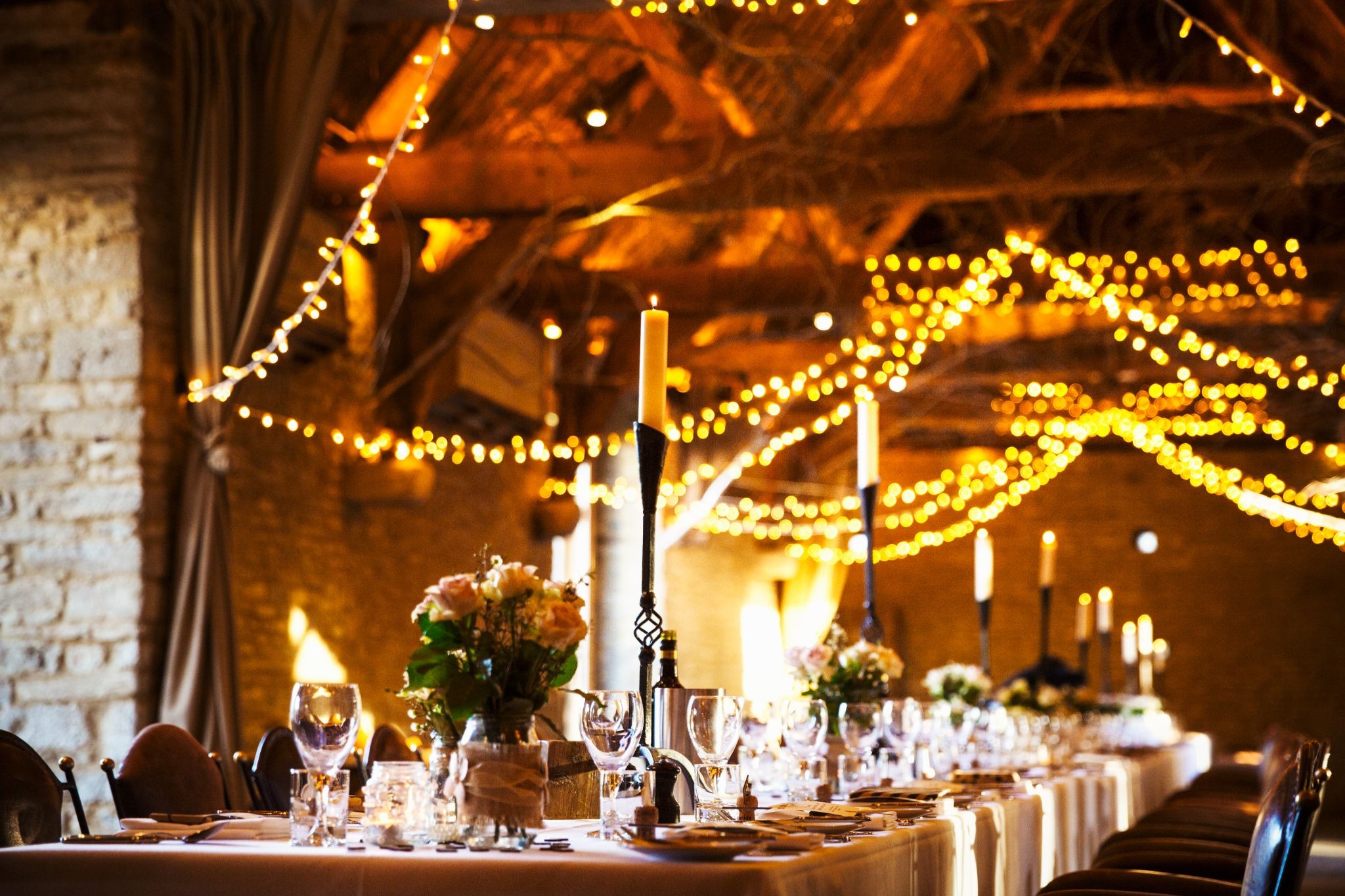
Color Temperature and Tone Selection: Warm white tones work best in historic spaces. They complement aged materials and maintain authenticity. Cool lighting often feels modern and out of place. Subtle amber hues help create a vintage wedding ambiance without appearing theatrical.
Creating a Vintage Wedding Ambiance Through Lighting
Vintage ambiance is defined by softness and warmth. It feels romantic without feeling staged. Lighting plays a central role in achieving this balance. Layered lighting creates depth while maintaining comfort.
Layered Lighting for Timeless Elegance
A successful lighting plan includes multiple layers:
Ambient lighting for overall visibility
Accent lighting for architectural features
Decorative lighting for warmth and romance
These layers work together. No single source dominates the space.
Fixtures That Complement Historic Style
Fixture selection should align with the venue’s era. Chandeliers, lanterns, and candle-style lighting blend naturally into historic environments.
Finishes matter. Aged brass, matte gold, or antique textures feel cohesive. Modern silhouettes often disrupt the aesthetic.
Highlighting Architectural Features with Precision
Not every feature needs emphasis. Lighting should guide attention thoughtfully. Select focal points that define the venue’s character. Precision prevents visual clutter and preserves elegance.
Walls, Ceilings, and Structural Details
Textured walls benefit from grazing light that reveals depth. Ceilings should be softly illuminated to enhance height without glare. Structural details deserve subtle emphasis rather than spotlighting.
Windows, Doorways, and Entrances
Entrances shape first impressions. Gentle lighting frames doorways and welcomes guests into the space. Windows benefit from soft backlighting, especially during evening celebrations, creating visual continuity.
Lighting Design for Different Event Moments
Weddings change throughout the day. Lighting should evolve with those transitions. Subtle adjustments support each phase naturally.
Ceremony Lighting in Heritage Venues: Ceremonies require intimacy. Lighting should remain soft and balanced. Faces must be visible without harsh contrast. Directional lighting helps focus attention while maintaining atmosphere.
Reception and Evening Lighting Transitions: As evening begins, lighting can deepen. Dimming ambient light while enhancing accents adds warmth. Dance areas gain energy while surrounding spaces remain calm and elegant.
Practical Planning Tips for Heritage Venue Lighting
Effective lighting begins with preparation. Site visits reveal opportunities and limitations. Planning early avoids rushed decisions.
Focus first on high-impact areas:
Ceremony space
Key architectural features
Collaborating with Lighting Professionals
Professionals experienced in heritage venue lighting understand preservation needs. They translate vision into practical execution. Their expertise ensures safety, compliance, and visual balance.
Budgeting for Heritage Lighting Design
Budgets are most effective when focused. Invest in placement quality rather than excessive fixtures. Intentional design delivers stronger results than overuse.
Conclusion
Heritage venue lighting is an exercise in respect and restraint. It honors architecture while supporting celebration. When handled thoughtfully, lighting enhances history rather than competing with it. With careful uplighting tips, warm tones, and layered design, historic venues transform into elegant wedding spaces. The result feels timeless, authentic, and emotionally rich.
FAQs
1. Why is heritage venue lighting different from modern event lighting?
Heritage venue lighting focuses on preservation, subtle enhancement, and architectural respect, while modern event lighting often prioritizes bold effects and brightness that can overwhelm historic spaces.
2. What uplighting tips are best for historic wedding venues?
Warm tones, low-intensity fixtures, and careful placement help highlight texture and structure while preserving authenticity and avoiding harsh shadows or visual distractions.
3. How does lighting influence vintage wedding ambiance?
Lighting softens architectural features, enhances warmth, and builds intimacy, allowing vintage wedding ambiance to feel natural, romantic, and timeless rather than artificial.
4. Can modern lighting equipment be used in heritage venues safely?
Yes, wireless LED lighting and battery-powered fixtures are ideal because they minimize heat, wiring, and physical impact while offering flexible control options.
5. When should couples plan heritage venue lighting?
Lighting planning should begin early during venue selection to align design goals with preservation rules, infrastructure limits, and technical requirements for seamless execution.